Growing Together: How Community Gardens Save Water
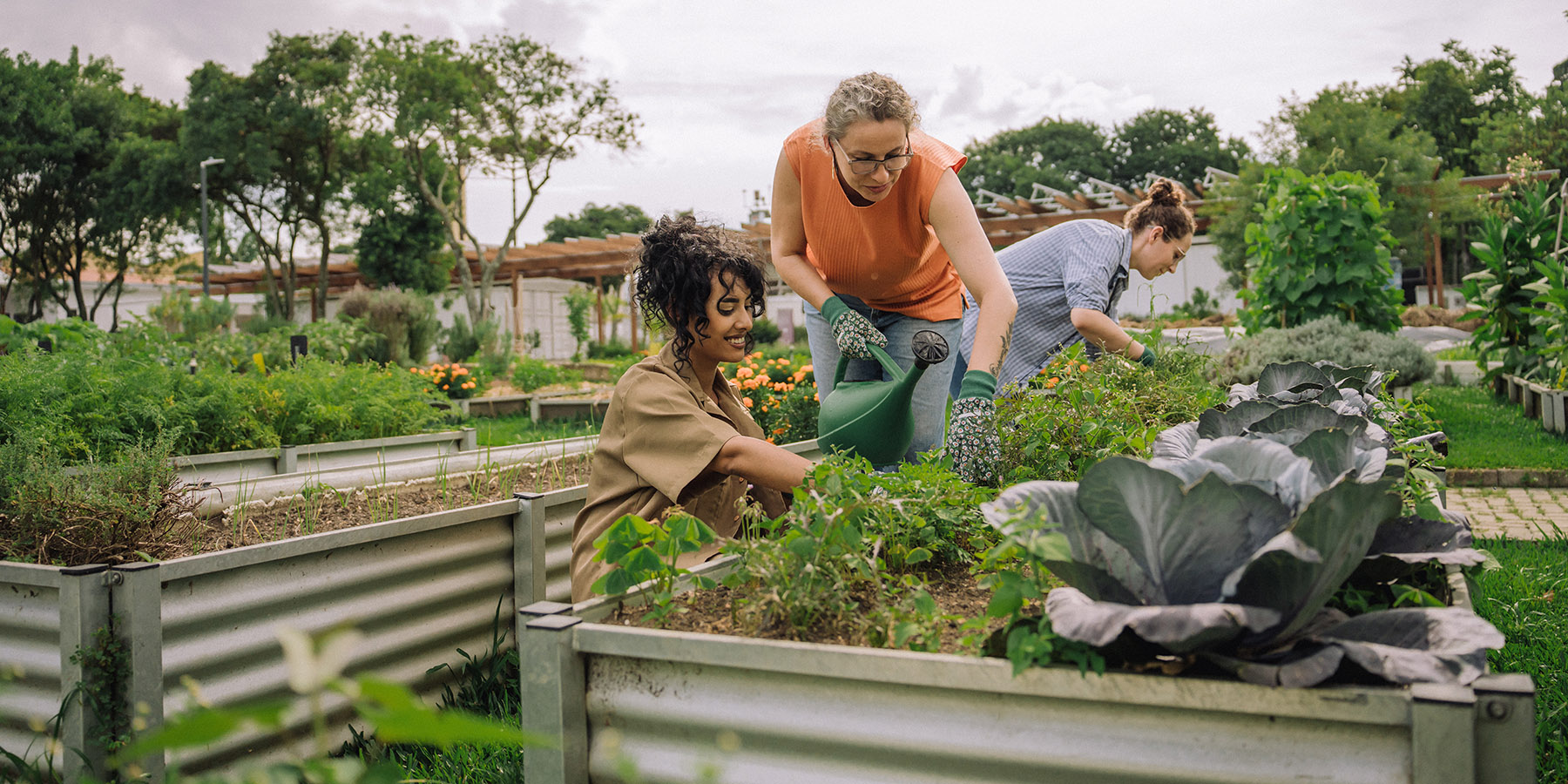
In bustling cities, amidst the concrete and steel, there’s a growing movement turning small plots of land into vibrant green spaces. These are community gardens, and they are more than places to grow food. They are important parts of a city's ecosystem, playing a role in sustainable urban water management and helping bring neighbors together.
This article explores how community gardens benefit urban environments, from managing water to strengthening neighborhoods. We’ll look at their impact on local food systems and community life and offer practical steps for starting your own.
Weaving the Fabric of a Neighborhood
The social benefits of community gardens are just as important as the environmental ones. These shared spaces are natural gathering spots that build connections and foster a sense of belonging. Neighbors come together to share knowledge, work side-by-side, and build friendships.
These gardens become hubs for cultural exchange that facilitate participation and cooperative decision-making, empowering residents to build their community together and where different gardening techniques and traditional recipes are shared. They also provide valuable educational opportunities for all ages. For children, a local garden can be their first real connection to nature, teaching them where their food comes from and how ecosystems work.
How Community Gardens Boost Food Security
Community gardens are essential for improving access to fresh, healthy food, especially in "food deserts," or areas where nutritious options are scarce. By providing a direct source of produce, these gardens improve local food systems and encourage healthier eating habits.
Research from the University of Florida shows that community gardens are linked to an increase in fruit and vegetable consumption. When people have a hand in growing their own food, they often develop a greater appreciation for nutrition and shared meals, bringing healthier habits home to their families.
How Community Gardens Help Manage Urban Water
Urban landscapes, with their vast stretches of asphalt and concrete, can't easily absorb rainwater. This creates stormwater runoff, which often picks up pollutants as it flows into drains and local waterways, and sometimes leading to flooding.
Community gardens help counter this by acting like natural sponges. The soil and plant roots absorb rainwater, which reduces runoff and filters out pollutants. This process also helps replenish local groundwater aquifers. A study from the University of Florida highlights how urban gardens can even reduce storm damage and help the environment recover faster after natural disasters. By transforming empty lots into absorbent green spaces, community gardens contribute directly to healthier urban water management.
How to Start Your Own Community Garden
Feeling inspired? Starting a community garden is a rewarding project that can transform your neighborhood. Here’s a simple guide to get you started:
- Gather Your Group. Find like-minded neighbors who share an interest in starting a garden. A strong team is the foundation of a successful project.
- Find a Space. Look for potential plots of land, such as vacant lots or unused areas in parks. It's essential to get the necessary permissions from landowners or the city before you begin.
- Plan Your Garden. Involve everyone in the design process. Decide on the layout, what you'll plant, and a set of shared rules for the garden.
- Prepare the Soil. Work together to clear the land, amend the soil, and get it ready for planting. This is often the most labor-intensive step, but many hands make light work.
- Plant and Maintain. Once the soil is ready, it's time to start growing. Create a schedule for watering, weeding, and harvesting to ensure the garden thrives.
Smart Watering for a Thriving Garden
Efficient irrigation is key to a successful community garden. It supports healthy plants while advancing the goal of water conservation.
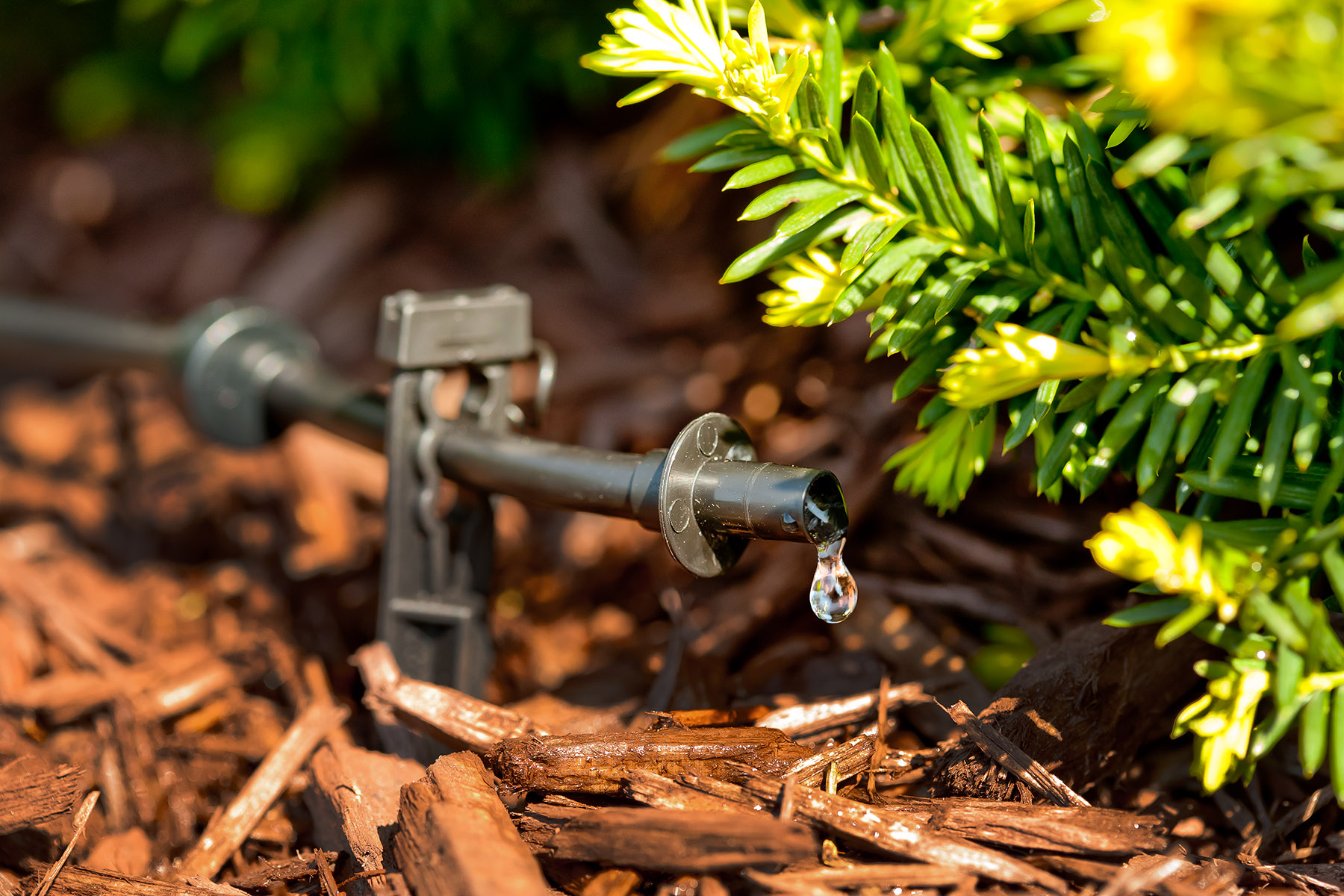
Drip irrigation is an excellent choice for these spaces. It delivers water directly to the plant roots, which minimizes waste from evaporation and runoff. Because the surrounding soil stays drier, it also helps reduce weed growth. Rain Bird’s Landscape and Garden Drip Watering Kit includes all the components, including a variety of drippers, hose and connectors to help you get started easily. And setup is straightforward. Connect to your faucet, run tubing to your containers, place emitters where needed, and you're growing. No special tools or technical knowledge required.
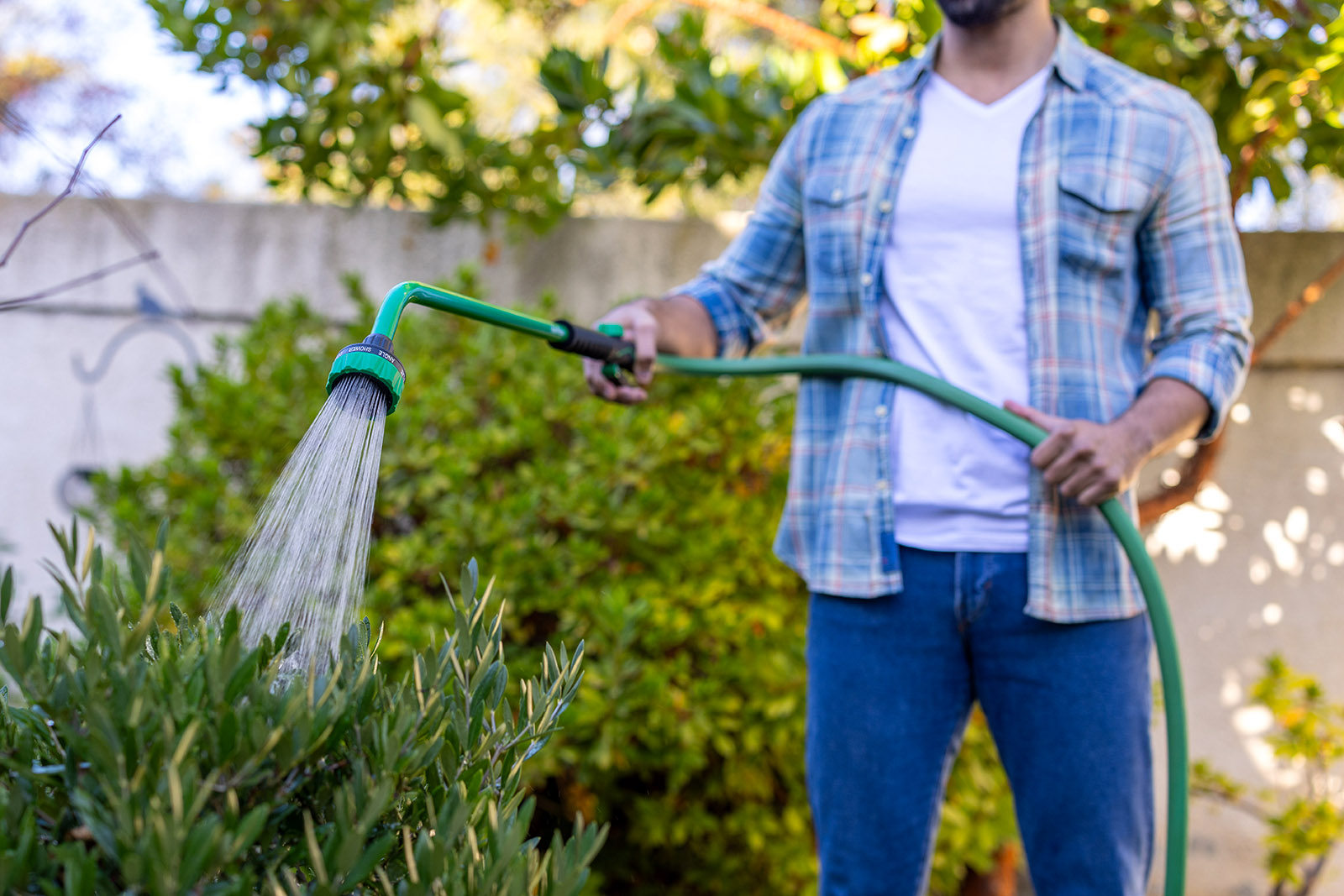
For manual watering, spray nozzles and wands, like Rain Bird's 8-Pattern Front Trigger Carbon Fiber Pattern Hose or Classic Rear Trigger Metal Hose End Nozzle, allow you to water precisely where and when you need to. Or attach a watering wand to your garden hose, like Rain Bird's 16" or 36" Watering Wand, to extend your reach to extend your reach and bring water to the places that need it most.
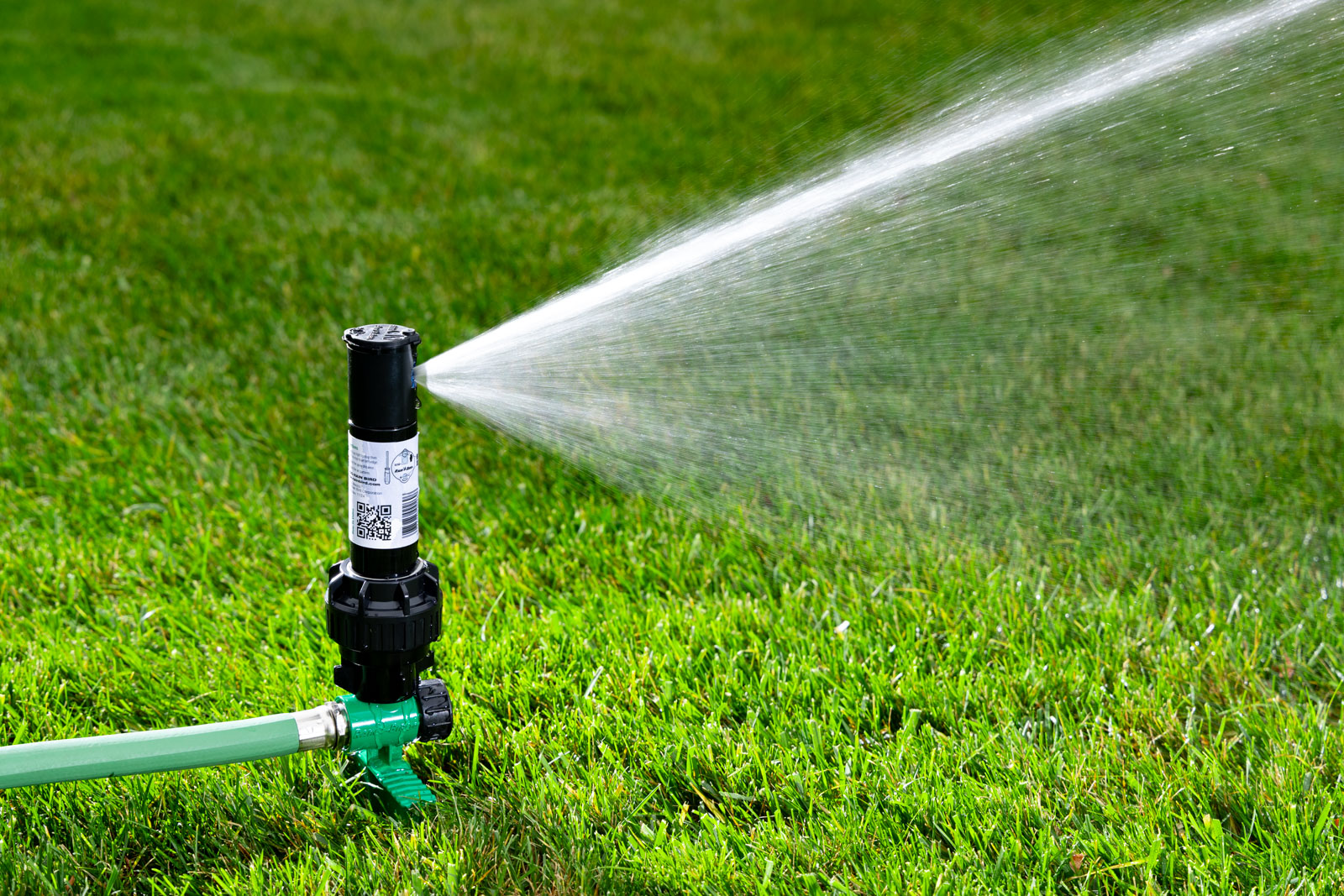
Sprinkles on spike are ideal for watering large areas or multiple garden plots. Rain Bird’s 42SA rotor on a spike offers broad irrigation coverage and is easy to move, allowing you to reposition it around your garden as needed.
Your Future Grows From the Ground Up
Community gardens are powerful tools for building a better future, offering environmental and social benefits that grow right alongside the plants. From sustainable urban water management to enhancing food security and building stronger, more connected neighborhoods, these green spaces make our cities healthier and more vibrant.
If you’re ready to make a difference in your community, consider getting involved with a local community garden or starting your own. At Rain Bird, we provide helpful resources and our variety of irrigation products. You can get personalized help by contacting the Rain Bird Sprinkler Design Service.


 Your Privacy Choices